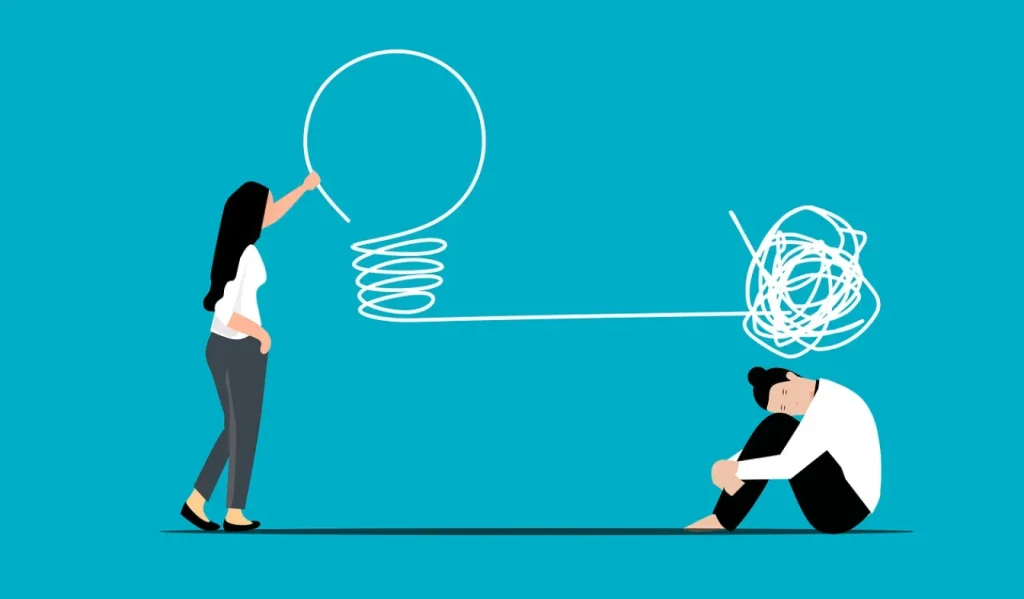

When Sadness Won’t Go Away: Seek Virtual Therapy
It starts quietly. You wake up, answer a few messages, and maybe make coffee. Nothing’s exactly wrong, yet something’s off; heavy, like air before rain. Days keep blending. You laugh at the right moments, but inside, dull, flat, tired. Maybe it’s just stress, you tell yourself. Then another week passes. Same fog. Same weight.
That’s when virtual therapy for depression matters.
No commute, no waiting under harsh lights, no explaining to anyone why you’re leaving work early. Just you, your screen, the hum of your fan, and a therapist who doesn’t rush you. 24/7 DCT built that space for nights when everything feels too close. You log in. They listen. Sometimes that single conversation breaks the stillness enough to breathe again.
What Makes Mental-Health Crises Unpredictable?
They don’t send warnings. One minute you’re fine, scrolling, and then, heart racing, hands cold, mind jumping to the worst thought. It’s messy, never timed, never polite. Depression can slide in slowly, days of nothingness stacked together. Panic can crash in fast, sharp as lightning.
I need help, and I’m eager for office hours. 24/7 mental-health support is still available at 2 a.m., when sleep is elusive and the silence becomes jarring. You make contact. A soothing voice responds. You can be steadied by that little encounter alone. A quiet voice. Together, a few breaths. A grounding practice, perhaps. You are pulled back before the spiral deepens by little, human things..
How Does Round-the-Clock Counseling Provide Immediate Support?
When sadness hits, waiting days for an appointment can feel like trying to hold your breath underwater. Every hour stretches. With virtual therapy for depression, help starts almost as soon as you reach out.
At 24/7 DCT, licensed therapists are available through chat or video, ready to meet you where you are: messy desk, dim room, uneven Wi-Fi, and all. You don’t need the perfect setup; you just need a moment of willingness. The therapist guides you through breathing, a few grounding steps, and sometimes silence. That silence matters too.
The difference is timing. You don’t wait for the world to open; someone is already there, steady and awake, helping you through the worst part of the night.
Why Is Early Intervention Critical in Saving Lives?
Catching depression early changes everything. It keeps people from slipping so far that the climb back feels impossible. The National Institute of Mental Health notes that starting therapy early often means fewer relapses and faster recovery, but honestly, it’s more than statistics. It’s about getting a hand before you start to fall.
At 24/7 DCT, therapists look for the quiet clues: missed meals, restless nights, the small pull away from friends. Those things seem harmless until they start repeating. When support steps in early, it keeps life from shrinking. It rebuilds rhythm; sleeping better, eating again, showing up for small parts of the day.
It’s not a shortcut. It’s simply catching pain before it gets too loud.
What Are the Benefits of Accessing Mental-Health Counseling Anytime?
Emotions don’t follow schedules. They show up when they want—halfway through a workday, while driving home, or at three in the morning when the room’s too still. That’s when online counseling for sadness helps most. You can reach someone in that same moment instead of waiting for the feeling to fade or grow worse.
At 24/7 DCT, therapy adjusts to real life. Some people sign in from their cars during lunch; others whisper from their kitchen while everyone sleeps. You talk when you can, not when the clock says it’s convenient. Privacy makes it easier—you can stop, breathe, collect yourself, then keep going.
That chance to speak right when it hurts often prevents a bad night from turning into a breaking point.
How Do Professional Counselors Manage Depression and Anxiety in Real Time?
A therapist doesn’t fix; they meet you where you’ve paused. Sometimes it starts in silence; both of you just sitting there, the faint hum from your device, a soft breath shared across the call. At 24/7 DCT, that first quiet minute matters more than any checklist.
When the words come, they come in pieces. That’s fine. Counselors use CBT or DBT like gentle tools, not scripts. They trace one thought back to its spark, wait with you as the body catches up. Maybe they ask you to feel your feet press into the floor or notice the shift in your shoulders when you finally exhale.
It isn’t a theory. It’s the steady work of bringing someone back to the present, one heartbeat at a time.
In What Ways Can 24/7 Counseling Help Families and Caregivers?
When someone close to you starts struggling, the house changes. You notice the quiet first; plates left untouched, conversations that stop halfway. You start guessing moods by footsteps. It’s exhausting, though you rarely admit it.
That’s why 24/7 DCT doesn’t just focus on the person in pain. Therapists talk with the people beside them, too; the ones holding everything together at 2 a.m. Sometimes that means helping a parent find words that don’t close doors, or just reminding a partner it’s okay to rest for a night.
It isn’t about perfect advice. It’s small guidance, gentle check-ins, and space to exhale. Families heal faster when they stop trying to manage it all alone. Online therapy gives them that room.
Why Reaching Out Matters
Sadness doesn’t shout. It just lingers. You wake up, get dressed, do what needs doing, but it stays quiet and heavy, somewhere in the background. You keep hoping it’ll ease on its own, but it rarely does. That’s when a small step matters. Even a single message can be enough.
At 24/7 DCT, someone always answers; a person, not a prompt. They stay on the line, breathing with you, waiting until your voice steadies again. You don’t need a perfect sentence; just start.
If the heaviness won’t leave, don’t try to outwait it. Contact us or book a session online. No pressure, no judgment; just real support, right when you need it.

License: PhD, LCSW, LCAC
Years of Experience: 23 years+
Dr. Amanda Slaten is a sound leader with 23 years of experience in Behavioral Health. She has a bachelor’s degree in Psychology, a master’s degree in Social Work, and maintains two master’s level clinical license(s) of Licensed Clinical Social Worker (LCSW) and Licensed Clinical Addictions Counselor (LCAC). In addition, Dr. Slaten obtained a PhD in Business Psychology to affirm her commitment to leadership within the Behavioral Healthcare industry. She is a compassionate leader that has dedicated her professional career towards advancing service delivery for treatment of mental health and addiction.